Top Tips for Road Bike Maintenance and Repair
- Henry Shoemaker
- 5 days ago
- 4 min read
Maintaining your road bike is crucial for ensuring a smooth ride and prolonging its lifespan. Whether you're a seasoned cyclist or just starting, knowing how to care for your bike can save you time, money, and frustration. In this post, we will explore essential tips for road bike maintenance and repair, helping you keep your bike in top condition.
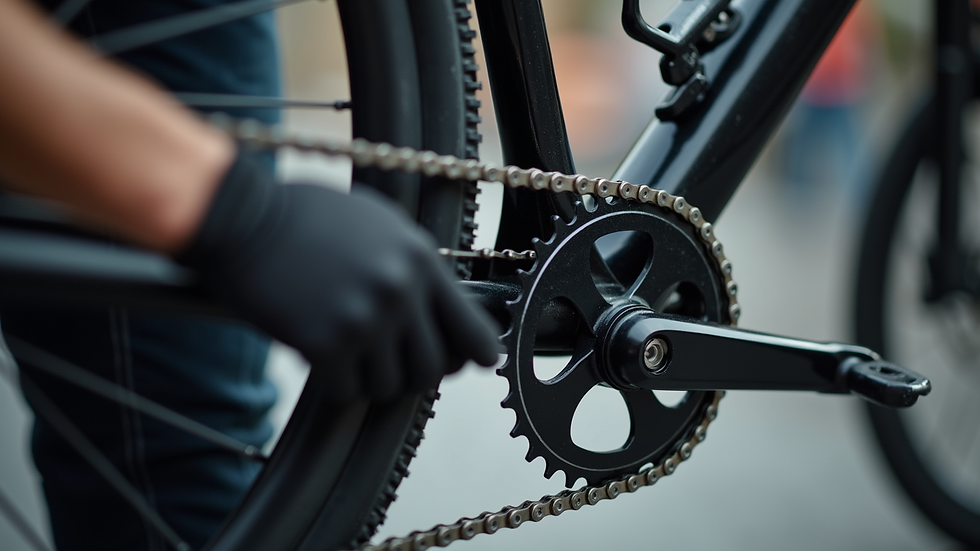
Understanding Your Bike
Before diving into maintenance, it's important to understand the basic components of your road bike. Familiarizing yourself with the parts will help you identify issues and perform repairs more effectively. Here are the key components to know:
Frame: The backbone of your bike, usually made of aluminum, carbon, or steel.
Wheels: Comprised of rims, spokes, and tires, they are crucial for stability and speed.
Brakes: Essential for safety, they come in various types, including rim and disc brakes.
Drivetrain: This includes the chain, gears, and derailleurs, which work together to propel your bike forward.
Regular Cleaning
Keeping your bike clean is one of the simplest yet most effective maintenance tasks. Dirt and grime can cause wear and tear on components, leading to costly repairs. Here’s how to clean your bike properly:
Gather Supplies: You will need a bucket, mild soap, a sponge, a brush, and a hose or bucket of water.
Rinse: Start by rinsing your bike with water to remove loose dirt.
Wash: Use a sponge and soapy water to clean the frame, wheels, and components. Avoid using high-pressure water, as it can force dirt into bearings.
Scrub: Use a brush to clean the drivetrain, paying special attention to the chain and gears.
Rinse Again: Rinse off all soap and dirt thoroughly.
Dry: Wipe down your bike with a clean cloth to prevent rust.
Lubrication
Proper lubrication is vital for the smooth operation of your bike. Here’s a guide on how to lubricate your bike effectively:
Chain: Apply lubricant specifically designed for bike chains. Wipe off excess to prevent dirt buildup.
Cables: Lubricate cables to ensure smooth shifting and braking.
Pivot Points: Apply lubricant to brake and derailleur pivots to keep them functioning properly.
Tire Maintenance
Your tires are your only contact with the road, making their maintenance crucial. Here are some tips for keeping your tires in good shape:
Check Pressure: Regularly check tire pressure using a gauge. Inflate to the recommended PSI, which can usually be found on the tire sidewall.
Inspect for Damage: Look for cuts, punctures, or excessive wear. Replace tires if they show significant damage.
Rotate Tires: If you notice uneven wear, consider rotating your tires to promote even wear.
Brake Adjustments
Brakes are essential for safety, so ensuring they are in good working order is critical. Here’s how to check and adjust your brakes:
Check Brake Pads: Inspect pads for wear. Replace them if they are worn down to less than 1/4 inch.
Adjust Cable Tension: If your brakes feel loose, adjust the cable tension using the barrel adjuster.
Align Brake Pads: Ensure that brake pads contact the rim evenly. Adjust their position if necessary.
Gear Shifting
Smooth gear shifting is essential for an enjoyable ride. If you experience issues, follow these steps:
Check Cable Tension: If shifting is sluggish, check the cable tension and adjust as needed.
Inspect Derailleurs: Ensure that derailleurs are aligned properly and not bent.
Clean and Lubricate: A clean and lubricated drivetrain will improve shifting performance.
Seasonal Maintenance
As seasons change, so do the maintenance needs of your bike. Here’s a seasonal checklist:
Spring
Deep Clean: After winter, give your bike a thorough cleaning.
Inspect Components: Check for rust or wear on components that may have been affected by winter conditions.
Summer
Check Tire Pressure: Hot weather can affect tire pressure, so check regularly.
Monitor Brake Performance: Ensure brakes are functioning well, especially if riding in wet conditions.
Fall
Prepare for Rain: Consider using fenders to protect your bike from mud and water.
Inspect Lights: As days get shorter, ensure your lights are working properly.
Winter
Store Properly: If you’re not riding, store your bike in a dry place to prevent rust.
Use a Winter Lubricant: Consider using a thicker lubricant to protect against cold temperatures.
Troubleshooting Common Issues
Even with regular maintenance, issues can arise. Here are some common problems and how to troubleshoot them:
Flat Tires: Check for punctures and replace the inner tube if necessary.
Squeaky Brakes: Clean brake pads and rims. If the noise persists, consider replacing the pads.
Slipping Gears: This can be caused by a worn chain or misaligned derailleur. Inspect and adjust as needed.
When to Seek Professional Help
While many maintenance tasks can be done at home, some issues require professional assistance. Here are signs that it’s time to visit a bike shop:
Persistent Issues: If you can’t resolve a problem after troubleshooting.
Complex Repairs: Tasks like wheel truing or bottom bracket replacement are best left to professionals.
Safety Concerns: If you feel unsure about your bike’s safety, it’s always better to get a second opinion.
Conclusion
Regular maintenance and timely repairs are key to enjoying your road bike to the fullest. By following these tips, you can ensure your bike remains in excellent condition, providing you with countless enjoyable rides. Remember, a well-maintained bike not only enhances performance but also ensures your safety on the road. So, roll up your sleeves and start caring for your bike today!


Comments